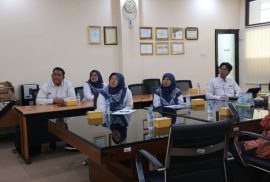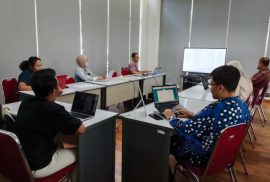
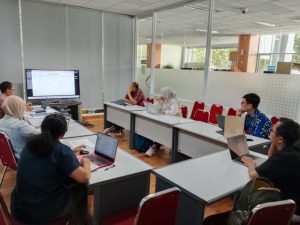
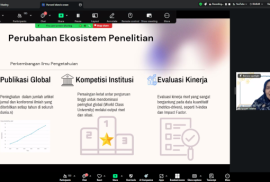
 The ability to find accurate scientific references has become a crucial skill for students and researchers amid the overwhelming flow of digital information. Responding to this challenge, the UGM Library and Archives organized the Mini Class on Information Literacy, March 2026 edition, a short course designed to help students access, manage, and analyze scientific literature more effectively.
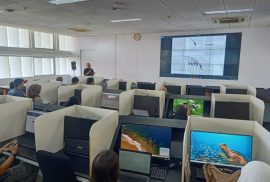
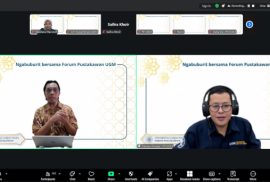
 Digital transformation is prompting libraries and archival institutions to swiftly reorganize their information management strategies. This issue took center stage at the national Ngabuburit Bersama Forum Pustakawan UGM webinar titled “Convergence of Archives, Libraries & Technology: Toward Digital Asset Management (DAM)”, which was attended by hundreds of librarians, archivists, and information technology practitioners from various regions.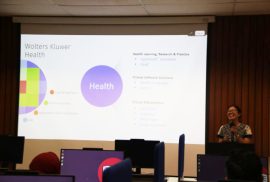
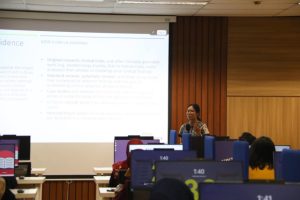 The Library and Archives of Universitas Gadjah Mada (UGM) organized a Webinar and Hands-on Session entitled Empowering Medical Knowledge Using LWW High Impact Collections – NEJM Bundles on Wednesday, 11/2/2026. The hybrid event took place at Room CBT C, 2nd Floor, FKKMK UGM Library, and was simultaneously attended online by members of the academic community. The program focused on strengthening participants’ understanding and skills in accessing and utilizing reputable medical journal collections to support learning, research, and evidence-based medical education.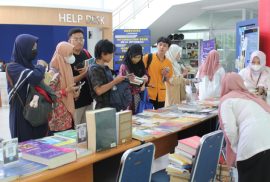
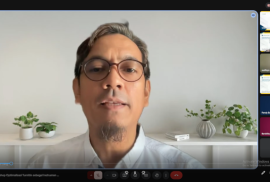
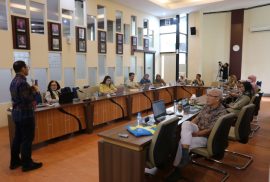
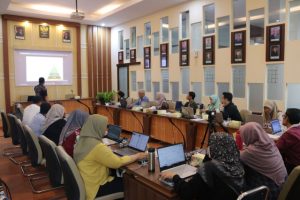 As part of its preparation for Scopus indexation, the Berkala Ilmu Perpustakaan dan Informasi (BIP) Journal, managed by Perpustakaan dan Arsip Universitas Gadjah Mada, organized an intensive workshop to strengthen scholarly journal governance. The initiative is part of a strategic effort to enhance the quality of journal management and reinforce the international competitiveness of UGM’s academic publications.