
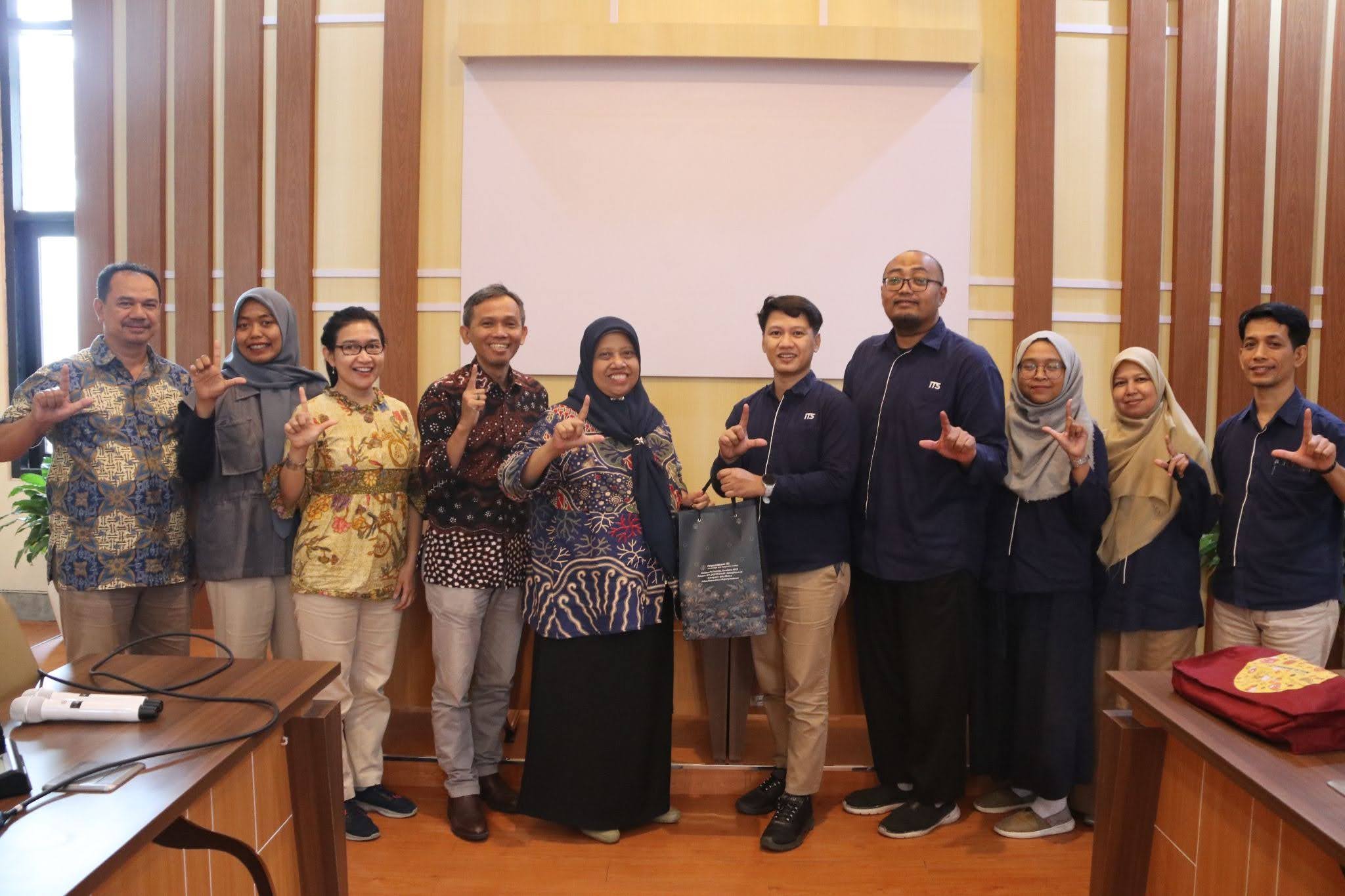
 The Library of Institut Teknologi Sepuluh Nopember (ITS) conducted a benchmarking visit to the Library and Archives of Universitas Gadjah Mada (UGM) on Thursday (May 7) at the Archive Meeting Room, 2nd Floor, L7 Building, UGM Library and Archives. The visit aimed to learn about repository management, reading space development, and multimedia collections as part of ITS Library’s efforts to enhance library service governance that is more impactful and relevant to users’ needs in the digital era.
The visit was attended by representatives from UGM Library and Archives, including Arif Surachman, SIP., MBA., Head of UGM Library and Archives; Yulistiarini Kumaraningrum, S.P., M.M., Head of Data and Information Systems Division; Safirotu Khoir, Ph.D., Coordinator of Public Relations and International Affairs; as well as several staff members of UGM Library and Archives.
Meanwhile, the ITS delegation was led by Agus Santoso, S.Sos., M.Med.Kom., Head of ITS Library, accompanied by Yusuf Hendra Dwi Kusuma, S.T., M.M., Head of Administrative Affairs of ITS Library, along with other ITS librarians.
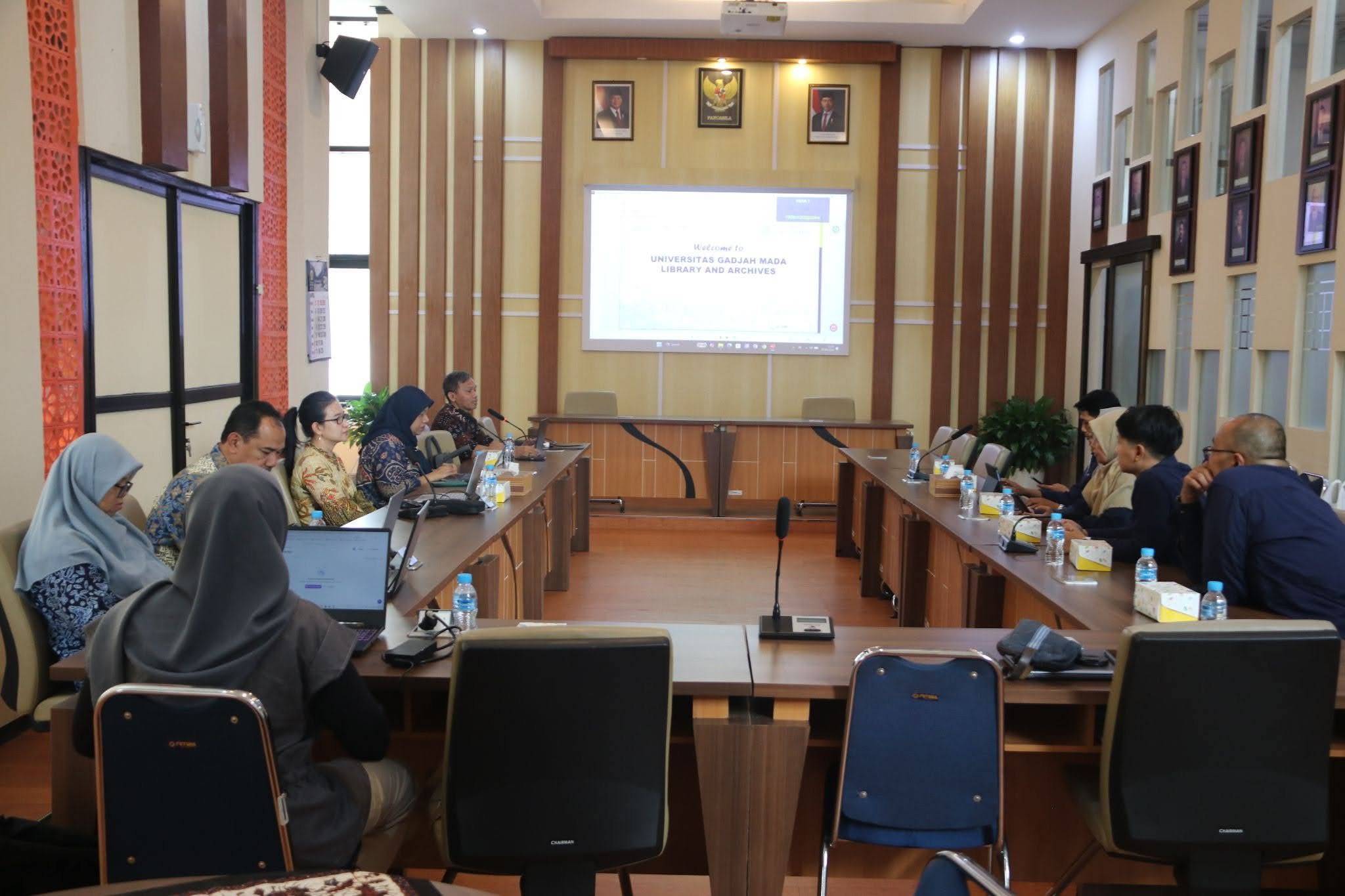 During the discussion session, UGM Library and Archives presented various best practices for institutional repository management to disseminate academic works produced by the university community. The discussion also covered how libraries can provide information literacy services for students while strengthening multimedia collections to support digital learning.
Head of UGM Library and Archives, Arif Surachman, emphasized that university libraries need to respond to changing user needs, including the shift in collection demands from print to digital formats.
“The shift in collection needs from print to digital is a clear signal that libraries must continue to adapt. Library services need to be developed so that access to academic information resources becomes easier, faster, and more relevant to the needs of the academic community,” he said.
According to Arif, forums for exchanging best practices like this are important because university libraries face similar challenges: how to provide services that are relevant, accessible, and have a real impact on academic communities.
Head of ITS Library, Agus Santoso, stated that UGM Library and Archives was chosen as the benchmarking destination because of its experience and service innovations that could inspire the development of ITS Library.
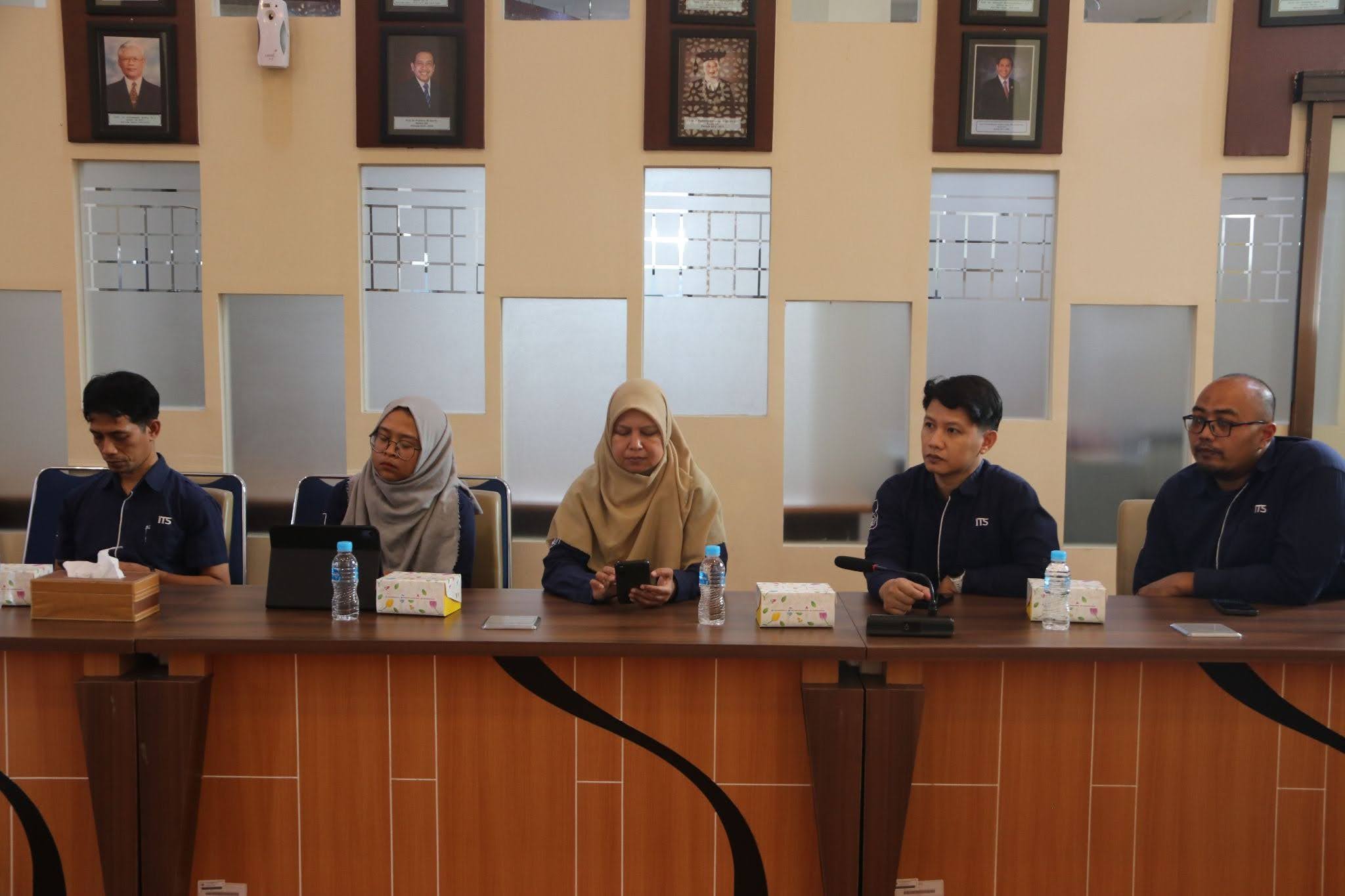 “We see that UGM Library and Archives has many relevant best practices to learn from, particularly in repository management, reading space development, and multimedia collections. We hope that the outcomes of this visit will provide valuable input for strengthening ITS Library services in the future,” he said.
This activity also aligns with the Sustainable Development Goals (SDGs), particularly SDG 4 on Quality Education through strengthening access to information, literacy, and learning resources, as well as SDG 17 on Partnerships for the Goals through collaboration among educational institutions.
Amid the rapid digital transformation in higher education, this visit serves as a reminder that the library of the future cannot be built in isolation. It grows through collaboration, the exchange of ideas, and the courage to continuously adapt. Ultimately, libraries are not merely about preserving collections, but about ensuring that knowledge remains alive, accessible, and impactful for society.
Contributor: Wasilatul Baroroh