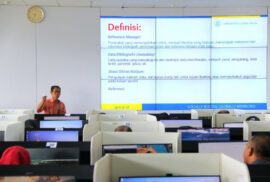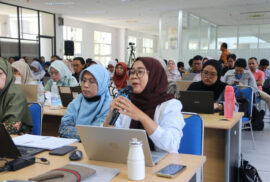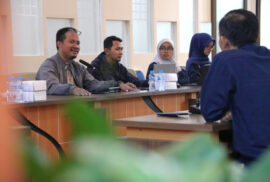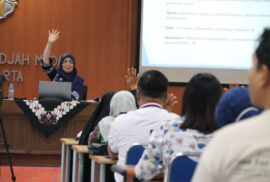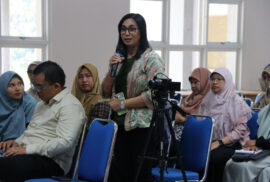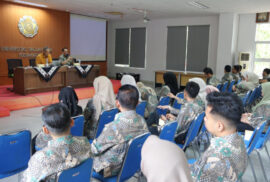
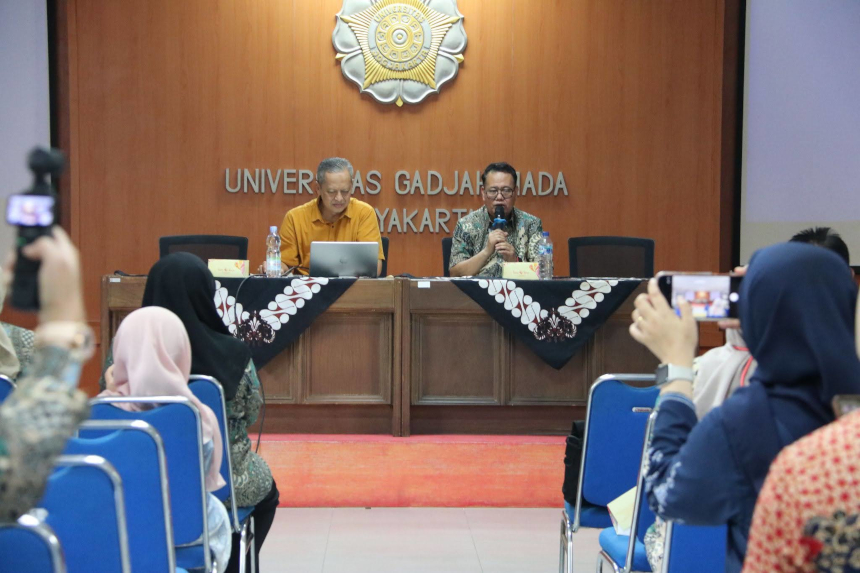
 Strengthening the management of university libraries requires quality services and information systems that meet users’ needs. To learn from established library management practices, the Faculty of Languages and Literature at Universitas Negeri Makassar (UNM) visited Universitas Gadjah Mada (UGM) Library and Archives on Friday, October 9, 2026.
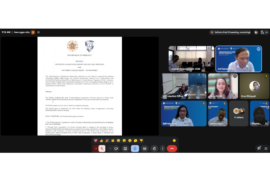
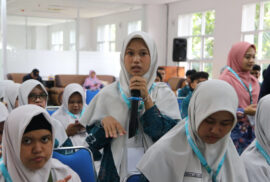
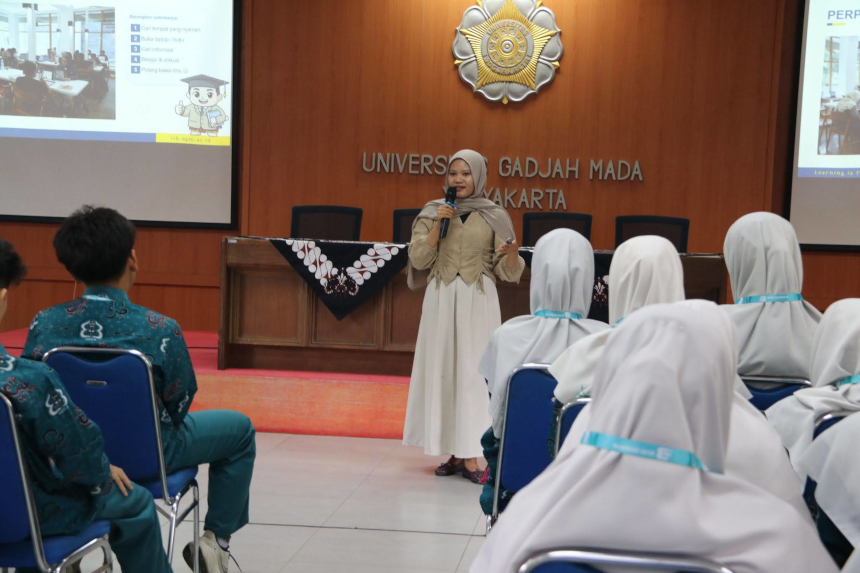 The Library and Archives of Universitas Gadjah Mada (UGM) welcomed a visit from SMA IT Iqra’ Kota Bengkulu on Thursday, October 8. The visit, attended by approximately 80 students, provided an opportunity for the students to learn more about academic libraries, including the facilities, services, and activities available at the UGM Library and Archives.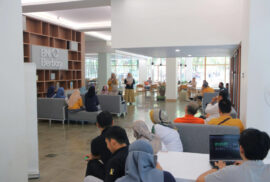
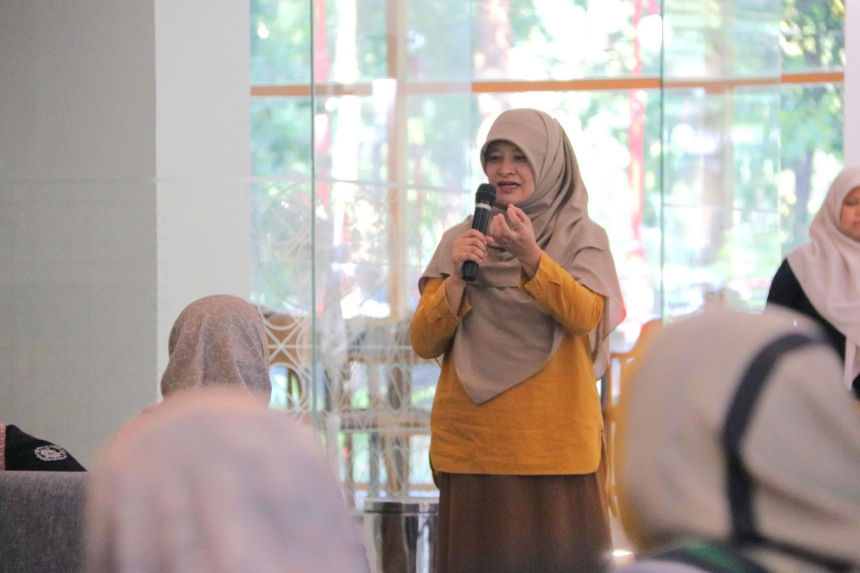 The Moth Orchid (Phalaenopsis) teaches us that growth is not always immediately visible. Before a flower blooms, the plant first needs strong roots, consistent care, and sufficient time to develop. This philosophy became the central reflection of the Monthly Sharing Session held by the UGM Library and Archives on Friday, October 2, 2026.