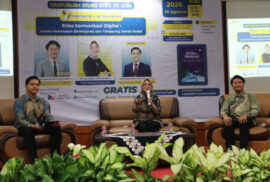
A single mistake in choosing a research method or identifying the right target journal can send a research project far off course. For researchers, such missteps can even lead to a manuscript being rejected before it reaches the review process, a situation commonly known as desk rejection.

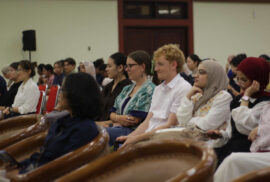
 The image of a library as a “quiet space for storing books” is gradually fading. In response to changes in students’ learning habits in the digital era, the leadership of the Institut Teknologi Bandung (ITB) Library visited Universitas Gadjah Mada (UGM) on Thursday (September 10, 2026) to discuss library space management and the development of Co-Working Spaces (CWS).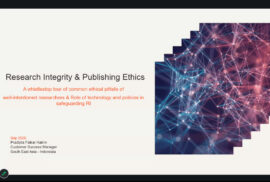
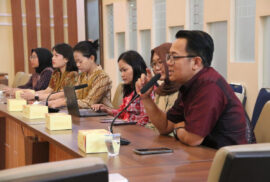
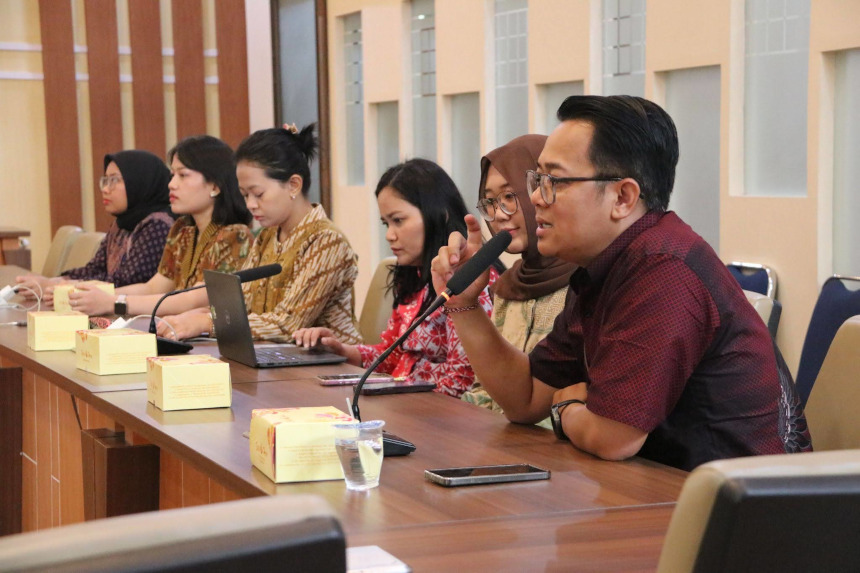 The history of Indonesia’s development planning is preserved not only in official documents. Traces of ideas, decisions, and institutional developments can also be found in archives, books, and scholarly works that capture the dynamics of their respective periods. These traces are now being revisited by the Ministry of National Development Planning/National Development Planning Agency (Bappenas) through the collections of the Universitas Gadjah Mada (UGM) Library and Archives.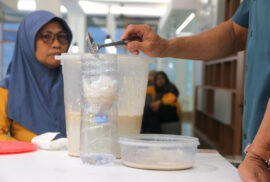
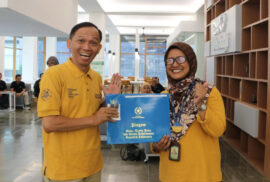
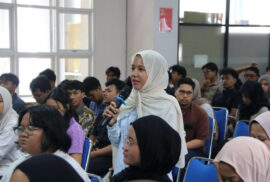
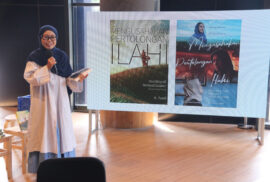
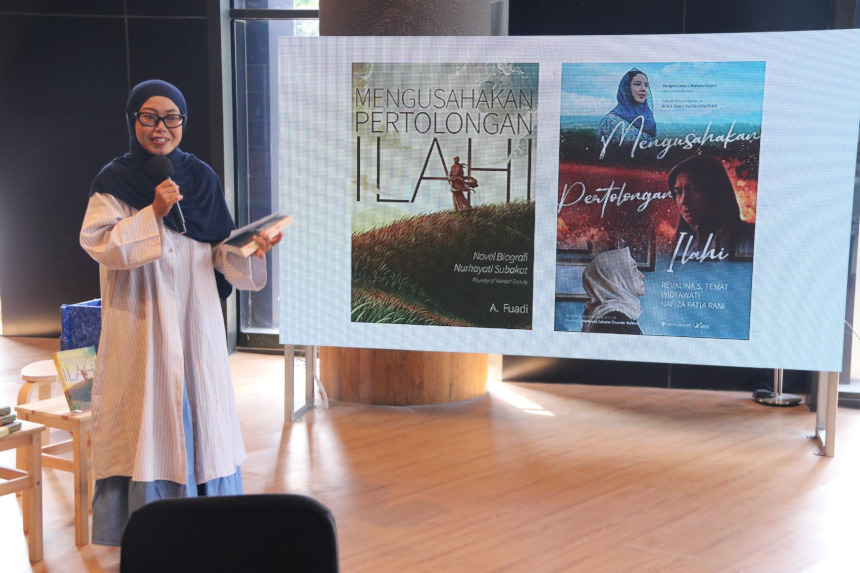 Is providing access to books really all a library needs to do? Is it necessary to explore other aspects that enhance the library’s intrinsic value? These questions were addressed during a Sharing Session and book discussion on Mengusahakan Pertolongan Ilahi, held at CollabHub by Paragon in the UGM Innovation and Creativity Building (GIK) on Thursday, August 27, 2026. The event directly explored the values firmly upheld by Nurhayati Subakat and the long-standing contributions of Paragon Corporation through the book Mengusahakan Pertolongan Ilahi by Susana Nur Kusumaningsih of PT Paragon Technology and Innovation (Paragon Corp).It also celebrated a heartwarming moment for retired staff of the UGM Library and Archives by presenting them with mementos.