
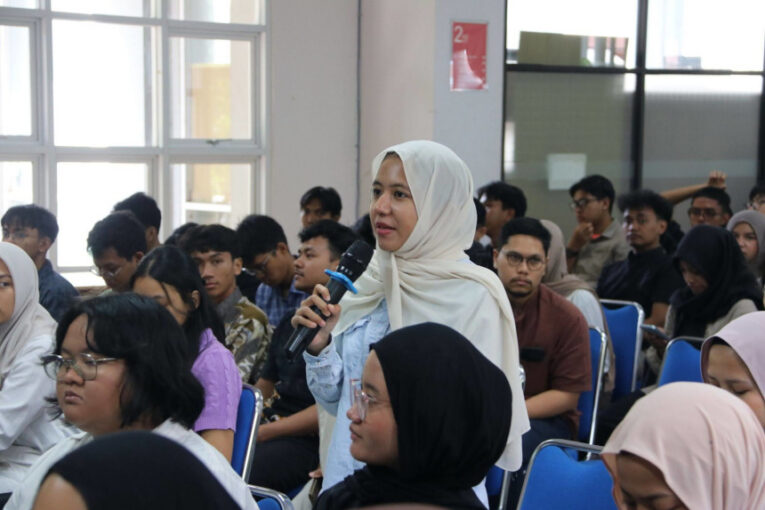
Google may be the first place students turn to when an assignment comes their way. However, when lecturers ask for academic journals, credible references, or research sources, students need to know that there are broader options available. For Gadjah Mada Muda (Gamada), the term used for new UGM students, one of those options is the UGM Library and Archives.
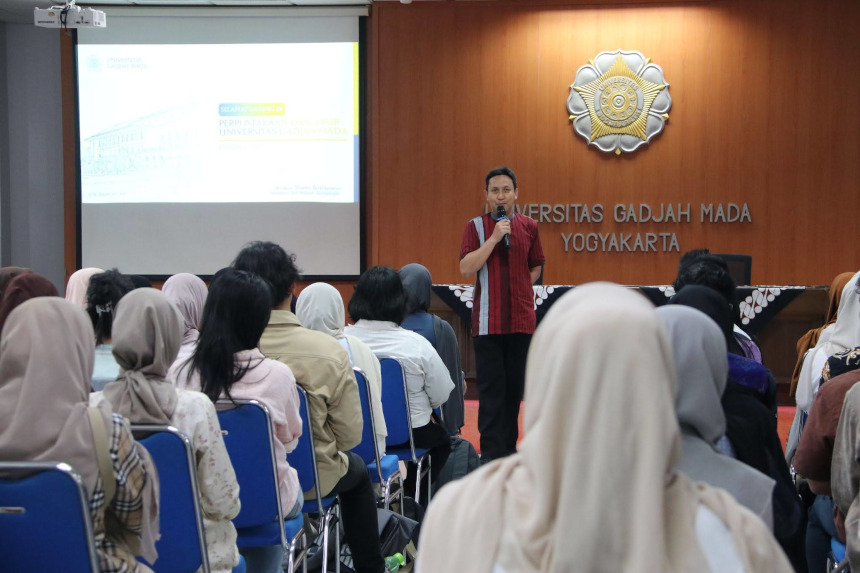 Through the User Education program held from August 18 to 21, 2026, new students from undergraduate to doctoral levels were introduced to ways of finding and making use of various information resources. Guided by the spirit of “Learning is Fun,” the program went beyond simply introducing library buildings and facilities. It showed students how the library can support their learning and help them find information more effectively.
One of the resources students should know about is the Online Public Access Catalog (OPAC), which can be used to search the library’s collections. Beyond books, Gamada can also access the Electronic Theses and Dissertations (ETD) to find undergraduate theses, master’s theses, and dissertations. Other resources include the institutional repository, rare collections portal, as well as access to e-books, e-journals, and various online databases.
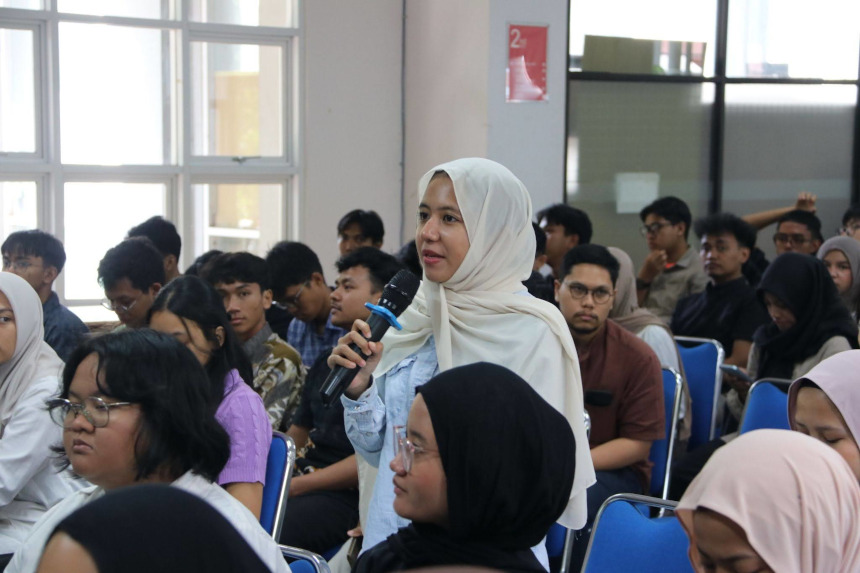 The resources are not limited to a single location. Libraries across UGM are connected through an integrated service ecosystem, allowing students to explore collections from various faculty libraries and university units based on their academic needs.
When information searches become more challenging, students do not have to navigate them alone. Through Individual Academic Consultation (IAC), Library Clinic, and Mini Class sessions, librarians can help students develop skills in information searching, database use, reference management, bibliometric analysis, and scholarly publishing.
The library also offers a variety of learning spaces. Gamada can make use of the Co-Working Space BNI, Independent Study and Discussion Room, The Gade Creative Lounge (TGCL), and Window of the World (WOW) for studying, discussions, assignments, and collaboration.
 This is where “Learning is Fun” becomes more than just a slogan. Students are encouraged to see the library as a place to discover resources, ask questions, exchange ideas, and develop learning skills that will support them throughout their academic journey.
These skills are increasingly important amid the overwhelming amount of information available today. The challenge for students is no longer simply finding information, but finding the right sources and knowing how to use them effectively.
By strengthening access to learning resources and information literacy, this effort also contributes to SDG 4: Quality Education. For Gamada 2026, the journey toward becoming independent learners can begin with one simple step: knowing where to look when information is needed.
Contributor: Wasilatul Baroroh