
The atmosphere at the Universitas Gadjah Mada (UGM) Library and Archives became more vibrant on Thursday (21/5) as dozens of students from Sanata Dharma University filled the seminar room on the second floor of the L1 Building to learn directly about library management. More than just a visit, the participants were invited to see how university libraries have developed into centers of literacy, collaborative spaces, and digital knowledge-production ecosystems.
Attended by students from the Indonesian Language and Literature Education, History, Elementary School Teacher Education (PGSD), and Economics study programs at Sanata Dharma University, the activity was part of the Library Management course, which aimed to introduce students to library management practices in higher education institutions.
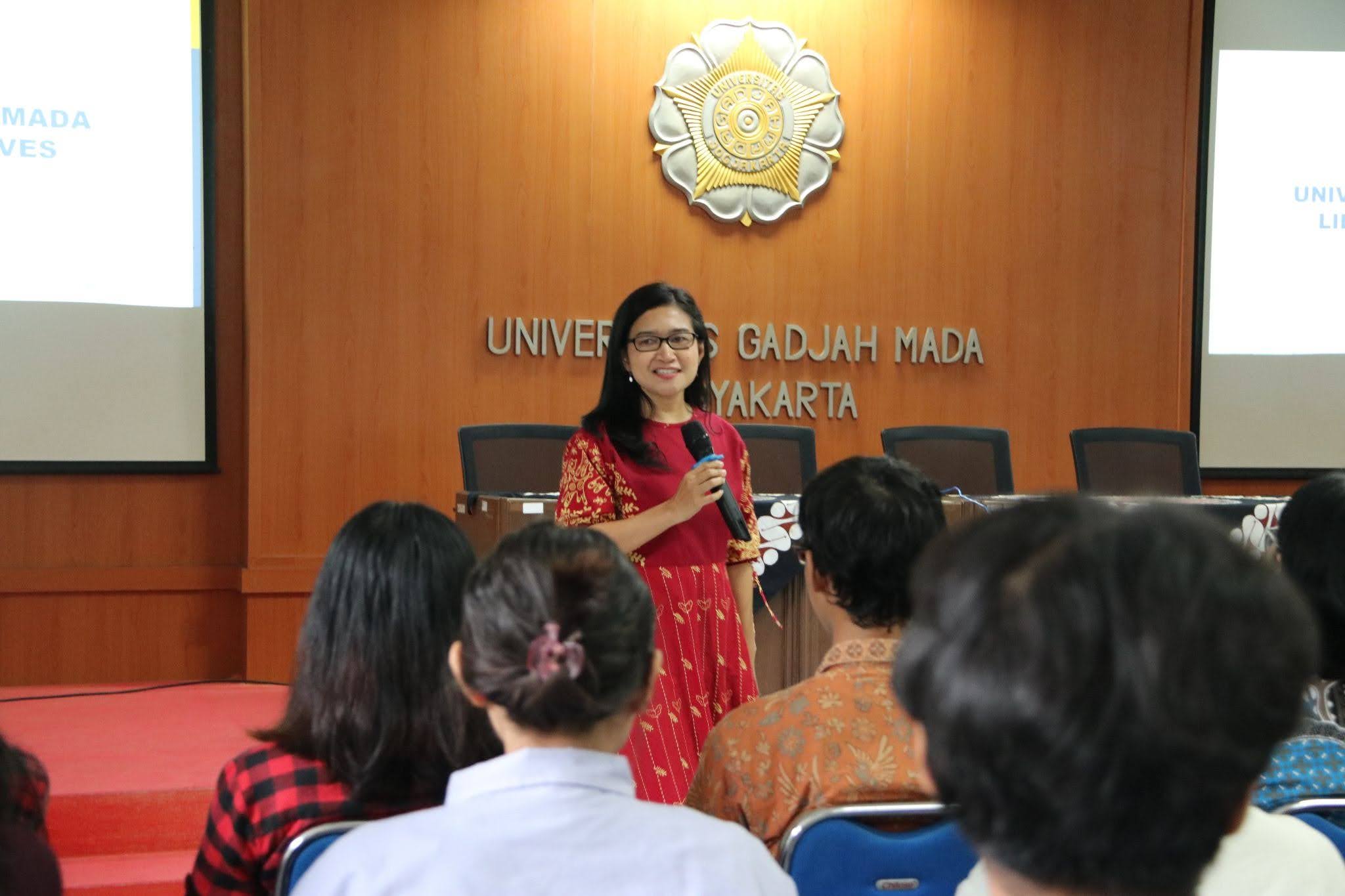 The visit was welcomed directly by Safirotu Khoir, Coordinator of Public Relations and International Affairs at UGM Library and Archives. In her remarks, she expressed appreciation for UGM being chosen as a field-learning site.
“Thank you for choosing the UGM Library and Archives as a place to learn together. Activities like this can become a space for exchanging experiences and sharing good practices,” she said.
A welcoming speech was also delivered by Fransisca Rahayuningsih, Head Librarian of Sanata Dharma University and lecturer of the Library Management course. She emphasized that students need not only theoretical knowledge but also direct field experience observing library management practices.
“We want students not only to receive materials in the classroom, but also to understand how library management is carried out in practice, from services and collections to information systems,” she explained.
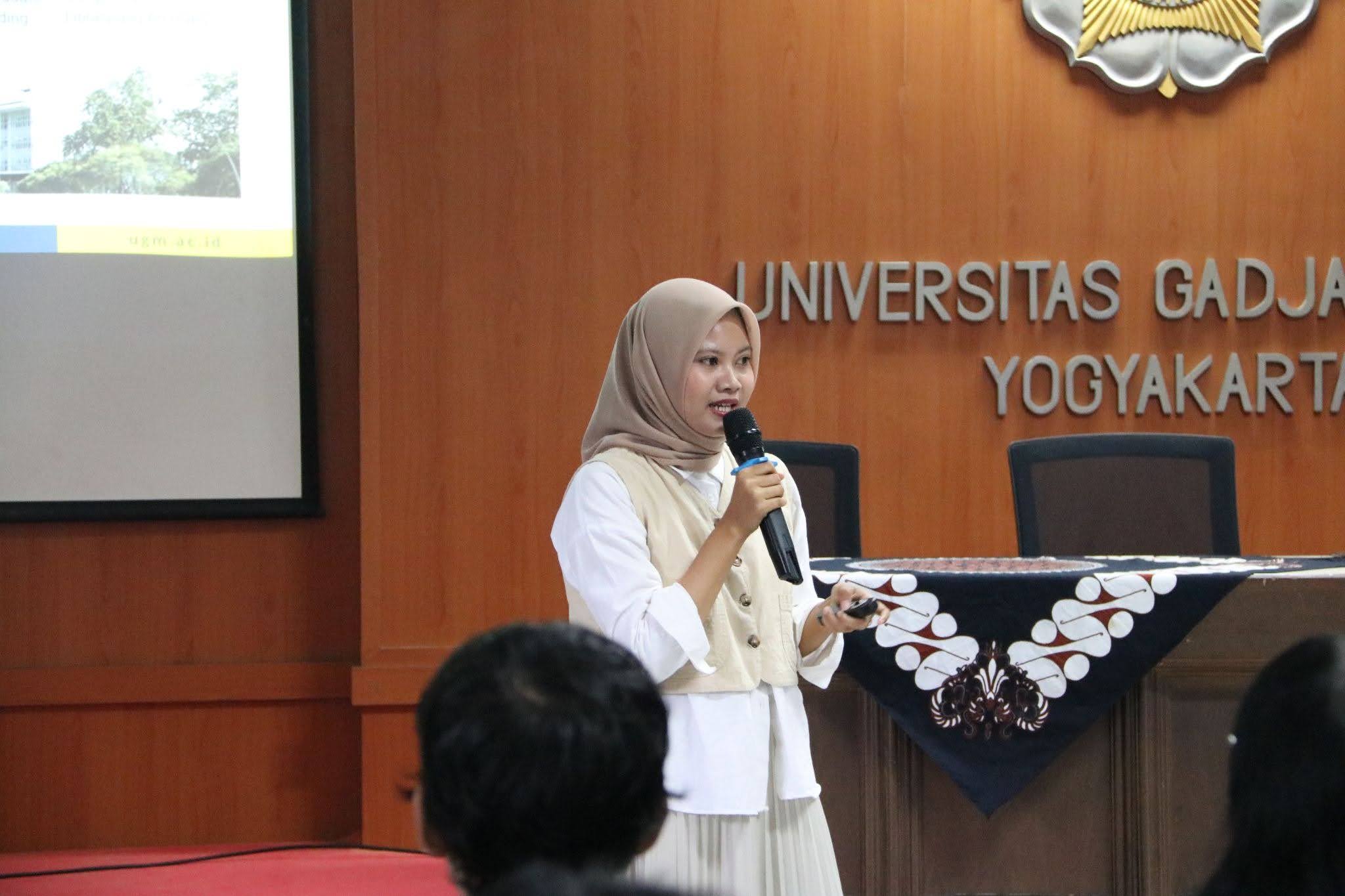 During the main session, Wasilatul Baroroh presented an overview of the UGM Library and Archives, covering services, collection management, and the library’s digital transformation.
In her presentation, Wasilatul Baroroh explained that libraries have evolved into learning spaces closely aligned with students’ needs, both through on-site services and digital access.
“Libraries now have two doors: a physical door and a digital door. Users can visit the library building directly, but they can also access various services and information resources online,” she explained.
The participants showed strong enthusiasm throughout the discussion session. Students actively asked questions about collection management, digital services, information literacy development, and library strategies in responding to the era of digital transformation.
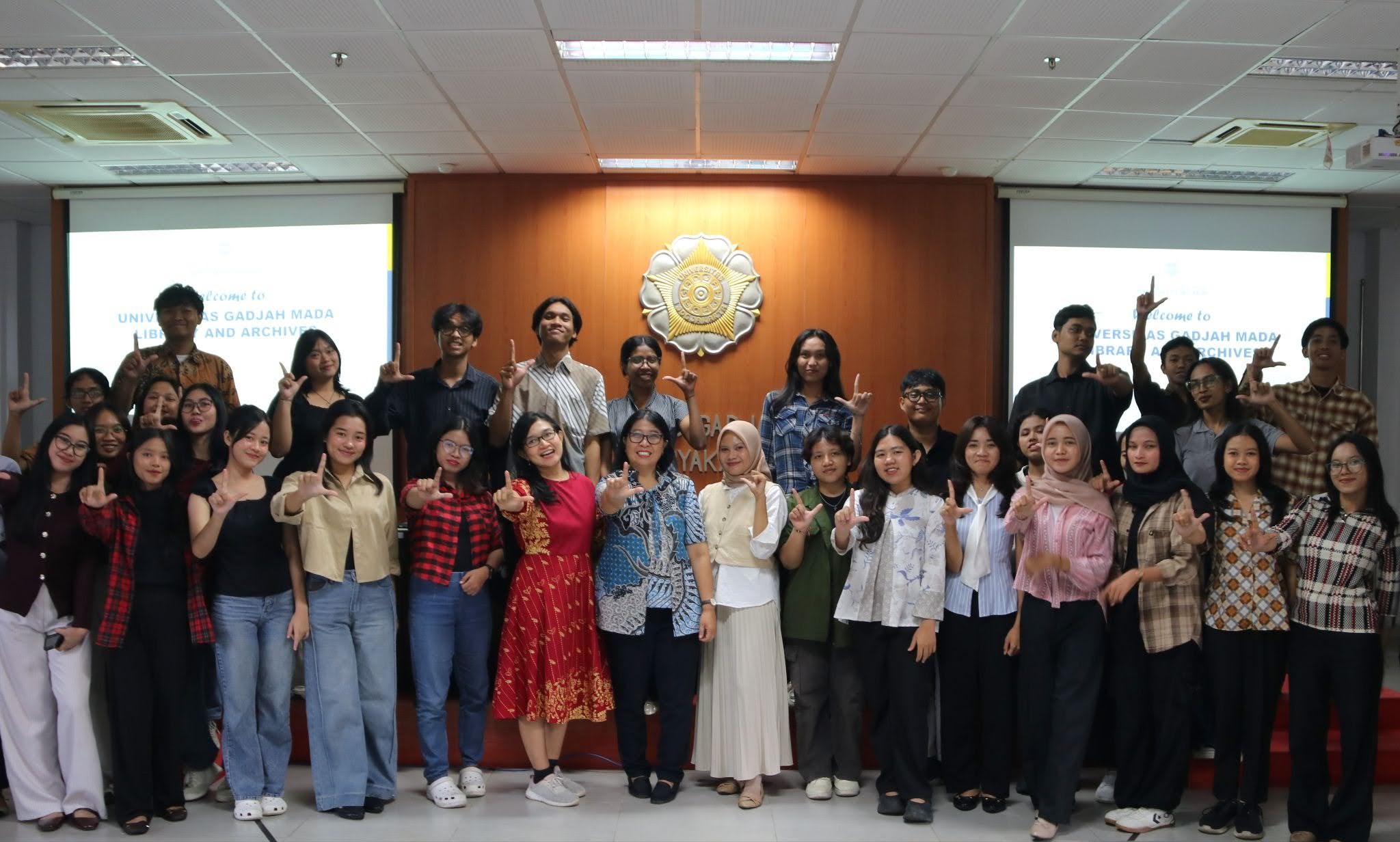 The activity concluded with a library tour, where participants explored various services and facilities at the UGM Library and Archives.
This academic visit reaffirmed the role of university libraries as learning centers that continue to grow and adapt to the needs of the times. Beyond being places to store books, libraries now serve as spaces for collaboration, literacy development, and the strengthening of academic culture amid the increasingly complex flow of digital information.
The activity also aligns with the Sustainable Development Goals (SDGs), particularly SDG 4 on Quality Education, through strengthening information literacy and access to knowledge, and SDG 17 on Partnerships for the Goals, through collaboration between universities to advance education and academic literacy.
Contributor: Aji Bagus Rio Pamungkas